If you have owned rental property in Florida over the last few years, you don’t need us to tell...


Every property owner knows the feeling: that sinking moment when a good tenant gives notice they're moving out. Suddenly you're facing weeks of vacancy, advertising costs, screening headaches, and the gamble of whether your next tenant will be as reliable.
Here's the thing: tenant turnover costs way more than most landlords realize. We're talking about 1-3 months of rent in lost income, plus marketing, cleaning, repairs, and your valuable time. But the good news? Most tenant departures are completely preventable.
The secret isn't just finding good tenants: it's keeping them happy enough that they never want to leave. When you nail tenant retention, you create a win-win situation: your tenants get a stable, well-maintained home, and you get consistent income without the constant turnover stress.
Let's dive into 10 proven strategies that actually work to keep your best renters putting down roots.
1. Start With Rock-Solid Tenant Screening
Great tenant retention actually begins before anyone signs a lease. Think of screening as matchmaking: you're not just checking if someone can pay rent, you're finding tenants whose lifestyle and needs align with what your property offers.
Go beyond the basic credit and income checks. Ask about their long-term housing plans, why they're moving, and what they're looking for in a rental. Someone planning to start a family might love your quiet neighborhood, while a young professional might appreciate being near public transit.
The goal isn't just finding someone who qualifies: it's finding someone who'll genuinely thrive in your property and want to call it home for years to come.

2. Master the Art of Lightning-Fast Maintenance
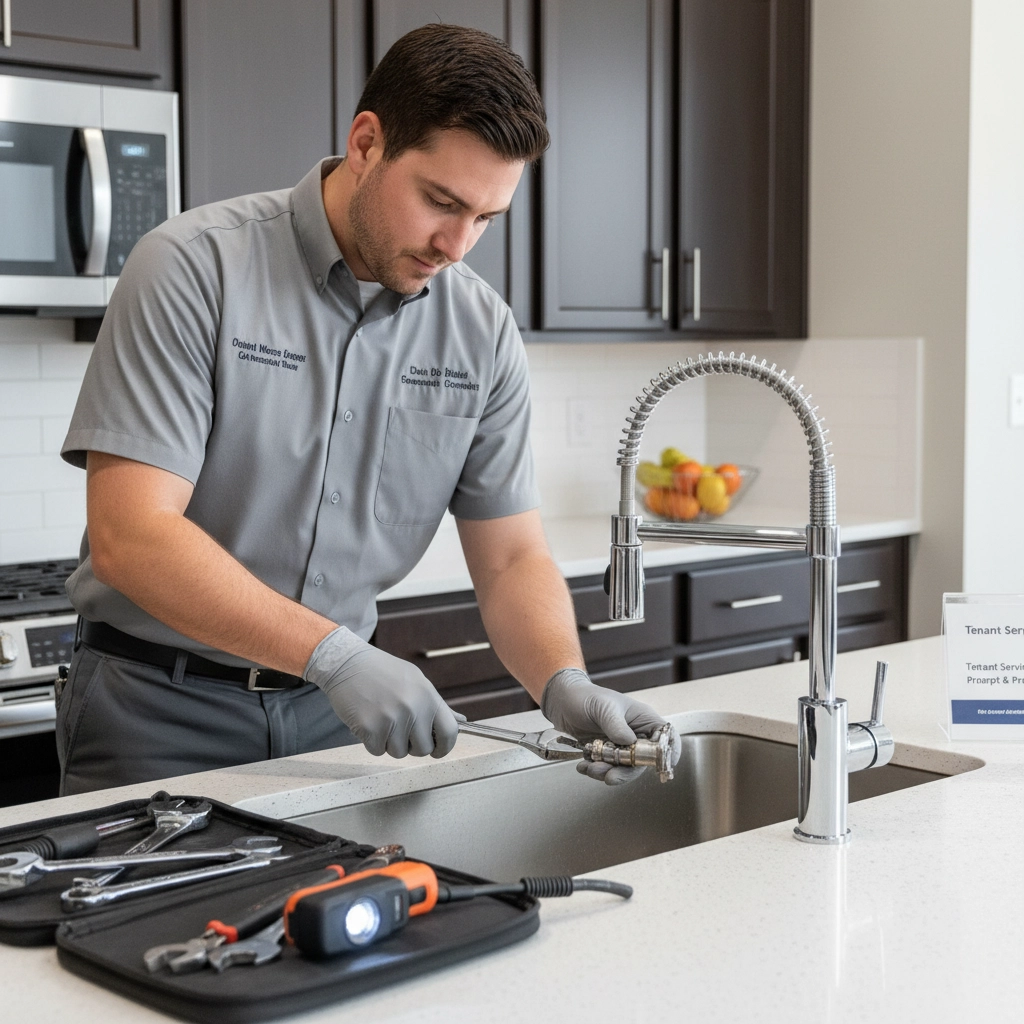
Nothing sends tenants packing faster than ignored maintenance requests. When something breaks, your response time sends a powerful message about how much you value their comfort and safety.
Create an easy system for tenants to report issues: whether that's a dedicated phone line, email, or online portal. Then respond quickly, even if it's just to acknowledge the request and give a timeline for repairs.
Pro tip: Don't wait for things to break. Schedule regular preventive maintenance for HVAC systems, check for potential plumbing issues, and address small problems before they become big headaches. Your tenants will notice this proactive approach, and it shows you're invested in maintaining a quality living environment.
3. Communicate Like You Actually Care (Because You Should)
Good communication builds trust, and trust keeps tenants around. But we're not talking about just being responsive: we're talking about genuine, proactive communication that makes tenants feel valued.
Check in periodically, not just when rent is late or something needs fixing. Send friendly reminders about seasonal maintenance (like changing air filters), notify tenants well in advance of any planned work, and be upfront about any changes affecting the property.
When issues do arise, explain what you're doing to fix them and keep tenants in the loop. A simple "The plumber will be there Tuesday morning between 9-11 AM" goes a long way toward reducing tenant frustration.
4. Make Lease Renewals Feel Like Rewards
Instead of treating lease renewal as just another business transaction, turn it into an opportunity to show appreciation. Start the conversation early: about 90-120 days before the lease expires: and come to the table with incentives that genuinely add value.
This might mean offering a fresh coat of paint in their preferred color, upgrading appliances, improving lighting, or even small perks like free parking or pet fee waivers. The key is showing that you recognize them as a valued tenant worth keeping.
Consider implementing a tenant loyalty program where long-term residents get better renewal perks. Someone who's been with you for three years deserves more appreciation than someone finishing their first lease.
5. Build Community, Not Just Housing
People don't just want a place to live: they want to feel connected to their community. This is especially powerful for multi-unit properties, but even single-family rentals can benefit from fostering neighborhood connections.
For multi-unit properties, organize simple social events like coffee hours, movie nights, or seasonal celebrations. Create inviting common spaces where natural interactions happen. Consider starting a community bulletin board or online group where tenants can connect with each other.
For single-family rentals, introduce tenants to neighbors, share information about local events, and help them feel integrated into the neighborhood. When tenants have social connections tied to where they live, moving becomes much less appealing.
6. Stay Competitive Without Breaking the Bank
Nobody likes rent increases, but they're a reality of property ownership. The trick is keeping your rates competitive and increases predictable rather than shocking tenants with sudden jumps.
Research comparable properties regularly so you understand local market rates. When you do need to raise rent, give plenty of notice and explain the reasoning: whether it's rising property taxes, increased maintenance costs, or property improvements that add value.
Consider offering choices: a slightly higher rent increase with property upgrades, or a smaller increase with current conditions. Giving tenants some control over the decision makes them feel more invested in staying.
7. Embrace Technology That Makes Life Easier
Modern tenants expect convenience, and technology delivers it. Online rent payment systems, digital maintenance requests, and tenant portals aren't just nice-to-haves anymore: they're standard expectations.
Make paying rent as easy as possible with multiple payment options and automated systems. Use technology to streamline communication, track maintenance requests, and keep important documents accessible. When you make it simple for tenants to interact with you and manage their rental experience, you reduce friction that might otherwise push them to look elsewhere.
Don't go overboard with complicated systems, though. Choose user-friendly options that actually improve the tenant experience rather than creating more hassle.
8. Add Value Beyond the Basics
What can you offer that goes beyond typical landlord responsibilities? This is where you can really differentiate your property and create experiences that tenants don't want to give up.
Partner with local businesses to offer tenant discounts at nearby restaurants, gyms, or services. Provide package delivery solutions for busy professionals. Consider offering optional services like professional cleaning or yard maintenance for an additional fee.
Even small touches make a difference: high-quality air filters, energy-efficient appliances that save on utility bills, or smart thermostats that improve comfort while reducing costs. These value-adds create a lifestyle that tenants appreciate and don't want to lose.
9. Balance Consistency With Common Sense Flexibility
Enforce your property rules fairly and consistently: this creates a stable environment that good tenants appreciate. At the same time, show reasonable flexibility when circumstances warrant it.
Maybe a reliable tenant hits a temporary financial rough patch and needs a brief payment plan. Perhaps someone's job requires them to travel extensively and they need slightly flexible lease terms. Good tenants facing genuine challenges will remember your understanding and become even more loyal as a result.
The key is maintaining fairness while recognizing that rigid policies sometimes hurt good tenant relationships unnecessarily.
10. Respect Privacy and Boundaries
Your tenants' home is their sanctuary, and treating it that way builds tremendous goodwill. Always provide proper notice before entering (and stick to it), respect quiet enjoyment of the property, and avoid unnecessary intrusions.
When you do need to access the property for maintenance or inspections, be efficient and professional. Leave the space as clean and organized as you found it. Small courtesies like removing shoes or using protective floor coverings show that you respect their living space.
Tenants who feel their privacy and boundaries are respected develop trust and loyalty that's hard to break.
Putting It All Together
Tenant retention isn't about grand gestures: it's about consistently doing the small things that show you value your tenants as people, not just income sources. When tenants feel heard, respected, and appreciated, they develop an emotional connection to both you as a landlord and their rental as a home.
Track your success by monitoring renewal rates, tenant satisfaction feedback, and average length of tenancy. Most importantly, remember that every interaction is an opportunity to strengthen the relationship and increase the likelihood that your best tenants will want to stay for years to come.
The investment you make in tenant retention pays dividends in stable income, reduced turnover costs, and the peace of mind that comes with managing a property full of happy, long-term residents. Start implementing these strategies today, and watch your tenant relationships: and your bottom line( improve dramatically.)


For a long time, Florida landlords have dealt with a frustrating loophole: tenants who lie their...

Every property owner knows the feeling: that sinking moment when a good tenant gives notice they're moving out. Suddenly you're facing weeks of vacancy, advertising costs, screening headaches, and the gamble of whether your next tenant will be as reliable.
Here's the thing: tenant turnover costs way more than most landlords realize. We're talking about 1-3 months of rent in lost income, plus marketing, cleaning, repairs, and your valuable time. But the good news? Most tenant departures are completely preventable.
The secret isn't just finding good tenants: it's keeping them happy enough that they never want to leave. When you nail tenant retention, you create a win-win situation: your tenants get a stable, well-maintained home, and you get consistent income without the constant turnover stress.
Let's dive into 10 proven strategies that actually work to keep your best renters putting down roots.
1. Start With Rock-Solid Tenant Screening
Great tenant retention actually begins before anyone signs a lease. Think of screening as matchmaking: you're not just checking if someone can pay rent, you're finding tenants whose lifestyle and needs align with what your property offers.
Go beyond the basic credit and income checks. Ask about their long-term housing plans, why they're moving, and what they're looking for in a rental. Someone planning to start a family might love your quiet neighborhood, while a young professional might appreciate being near public transit.
The goal isn't just finding someone who qualifies: it's finding someone who'll genuinely thrive in your property and want to call it home for years to come.
2. Master the Art of Lightning-Fast Maintenance
Nothing sends tenants packing faster than ignored maintenance requests. When something breaks, your response time sends a powerful message about how much you value their comfort and safety.
Create an easy system for tenants to report issues: whether that's a dedicated phone line, email, or online portal. Then respond quickly, even if it's just to acknowledge the request and give a timeline for repairs.
Pro tip: Don't wait for things to break. Schedule regular preventive maintenance for HVAC systems, check for potential plumbing issues, and address small problems before they become big headaches. Your tenants will notice this proactive approach, and it shows you're invested in maintaining a quality living environment.
3. Communicate Like You Actually Care (Because You Should)
Good communication builds trust, and trust keeps tenants around. But we're not talking about just being responsive: we're talking about genuine, proactive communication that makes tenants feel valued.
Check in periodically, not just when rent is late or something needs fixing. Send friendly reminders about seasonal maintenance (like changing air filters), notify tenants well in advance of any planned work, and be upfront about any changes affecting the property.
When issues do arise, explain what you're doing to fix them and keep tenants in the loop. A simple "The plumber will be there Tuesday morning between 9-11 AM" goes a long way toward reducing tenant frustration.
4. Make Lease Renewals Feel Like Rewards
Instead of treating lease renewal as just another business transaction, turn it into an opportunity to show appreciation. Start the conversation early: about 90-120 days before the lease expires: and come to the table with incentives that genuinely add value.
This might mean offering a fresh coat of paint in their preferred color, upgrading appliances, improving lighting, or even small perks like free parking or pet fee waivers. The key is showing that you recognize them as a valued tenant worth keeping.
Consider implementing a tenant loyalty program where long-term residents get better renewal perks. Someone who's been with you for three years deserves more appreciation than someone finishing their first lease.
5. Build Community, Not Just Housing
People don't just want a place to live: they want to feel connected to their community. This is especially powerful for multi-unit properties, but even single-family rentals can benefit from fostering neighborhood connections.
For multi-unit properties, organize simple social events like coffee hours, movie nights, or seasonal celebrations. Create inviting common spaces where natural interactions happen. Consider starting a community bulletin board or online group where tenants can connect with each other.
For single-family rentals, introduce tenants to neighbors, share information about local events, and help them feel integrated into the neighborhood. When tenants have social connections tied to where they live, moving becomes much less appealing.
6. Stay Competitive Without Breaking the Bank
Nobody likes rent increases, but they're a reality of property ownership. The trick is keeping your rates competitive and increases predictable rather than shocking tenants with sudden jumps.
Research comparable properties regularly so you understand local market rates. When you do need to raise rent, give plenty of notice and explain the reasoning: whether it's rising property taxes, increased maintenance costs, or property improvements that add value.
Consider offering choices: a slightly higher rent increase with property upgrades, or a smaller increase with current conditions. Giving tenants some control over the decision makes them feel more invested in staying.
7. Embrace Technology That Makes Life Easier
Modern tenants expect convenience, and technology delivers it. Online rent payment systems, digital maintenance requests, and tenant portals aren't just nice-to-haves anymore: they're standard expectations.
Make paying rent as easy as possible with multiple payment options and automated systems. Use technology to streamline communication, track maintenance requests, and keep important documents accessible. When you make it simple for tenants to interact with you and manage their rental experience, you reduce friction that might otherwise push them to look elsewhere.
Don't go overboard with complicated systems, though. Choose user-friendly options that actually improve the tenant experience rather than creating more hassle.
8. Add Value Beyond the Basics
What can you offer that goes beyond typical landlord responsibilities? This is where you can really differentiate your property and create experiences that tenants don't want to give up.
Partner with local businesses to offer tenant discounts at nearby restaurants, gyms, or services. Provide package delivery solutions for busy professionals. Consider offering optional services like professional cleaning or yard maintenance for an additional fee.
Even small touches make a difference: high-quality air filters, energy-efficient appliances that save on utility bills, or smart thermostats that improve comfort while reducing costs. These value-adds create a lifestyle that tenants appreciate and don't want to lose.
9. Balance Consistency With Common Sense Flexibility
Enforce your property rules fairly and consistently: this creates a stable environment that good tenants appreciate. At the same time, show reasonable flexibility when circumstances warrant it.
Maybe a reliable tenant hits a temporary financial rough patch and needs a brief payment plan. Perhaps someone's job requires them to travel extensively and they need slightly flexible lease terms. Good tenants facing genuine challenges will remember your understanding and become even more loyal as a result.
The key is maintaining fairness while recognizing that rigid policies sometimes hurt good tenant relationships unnecessarily.
10. Respect Privacy and Boundaries
Your tenants' home is their sanctuary, and treating it that way builds tremendous goodwill. Always provide proper notice before entering (and stick to it), respect quiet enjoyment of the property, and avoid unnecessary intrusions.
When you do need to access the property for maintenance or inspections, be efficient and professional. Leave the space as clean and organized as you found it. Small courtesies like removing shoes or using protective floor coverings show that you respect their living space.
Tenants who feel their privacy and boundaries are respected develop trust and loyalty that's hard to break.
Putting It All Together
Tenant retention isn't about grand gestures: it's about consistently doing the small things that show you value your tenants as people, not just income sources. When tenants feel heard, respected, and appreciated, they develop an emotional connection to both you as a landlord and their rental as a home.
Track your success by monitoring renewal rates, tenant satisfaction feedback, and average length of tenancy. Most importantly, remember that every interaction is an opportunity to strengthen the relationship and increase the likelihood that your best tenants will want to stay for years to come.
The investment you make in tenant retention pays dividends in stable income, reduced turnover costs, and the peace of mind that comes with managing a property full of happy, long-term residents. Start implementing these strategies today, and watch your tenant relationships: and your bottom line( improve dramatically.)
If you have owned rental property in Florida over the last few years, you don’t need us to tell...
For a long time, Florida landlords have dealt with a frustrating loophole: tenants who lie their...