If you have owned rental property in Florida over the last few years, you don’t need us to tell...


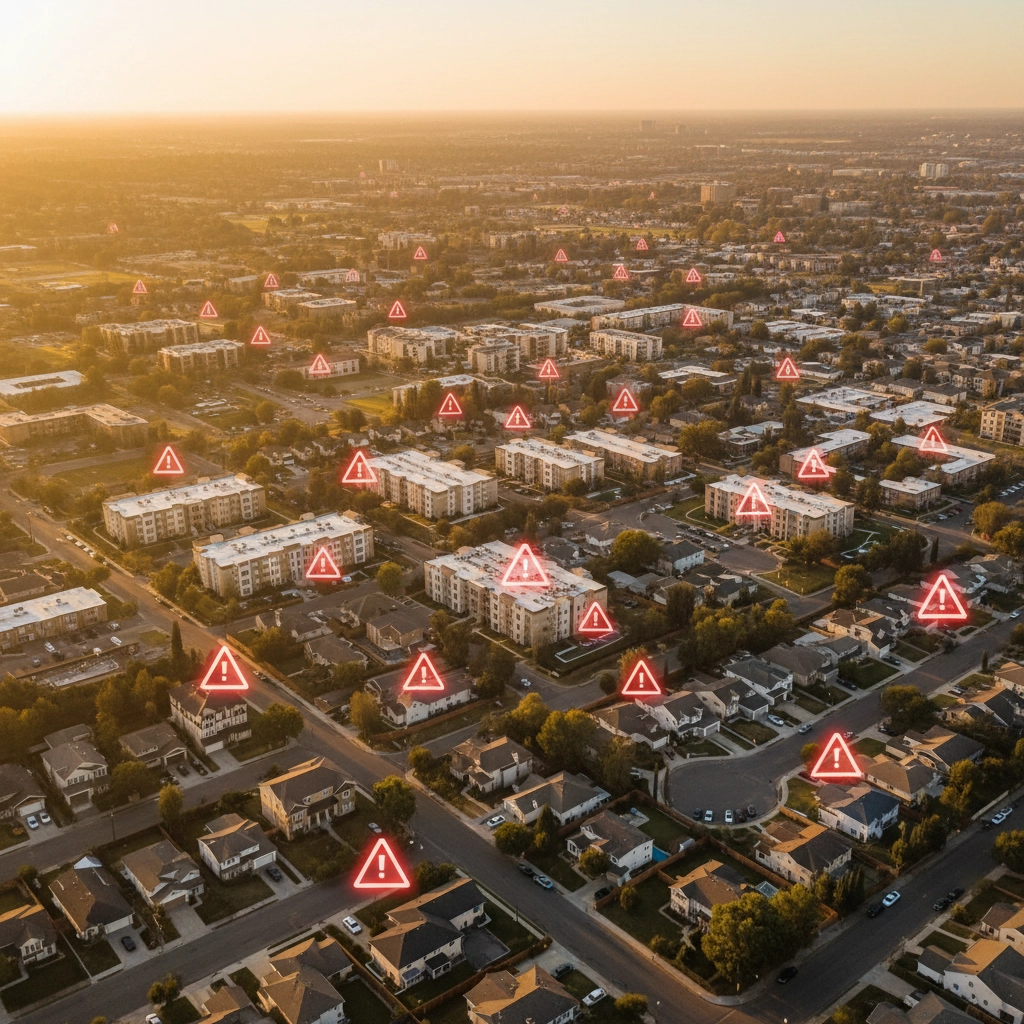
If you're a landlord or renter, you've probably noticed something unsettling: listings, applications, and "verifications" that look perfect but feel... off. Clean pay stubs, robotic HR emails, cloned listings with too-good-to-be-true pricing—the works. You're not imagining it. AI-powered rental scams now hit both sides of the lease, tricking owners out of rent and tenants out of deposits.
The numbers tell the story. Nearly 75% of apartment owners reported a sharp rise in falsified applications last year. And renters are getting stung by listing-clone scams, fake landlords, and AI-chat "agents" pushing instant deposits via Zelle or crypto. Small landlords and DIY owners are especially exposed, and tenants without a trusted property management company behind the listing are prime targets. Traditional screening and casual listing checks aren't enough anymore.
How AI Is Changing the Fraud Game
Remember when spotting fake documents meant looking for obvious typos or blurry photocopies? Those days are over. Today's scammers use artificial intelligence to create perfect-looking pay stubs, employment letters, and even credit reports that pass most basic screenings.
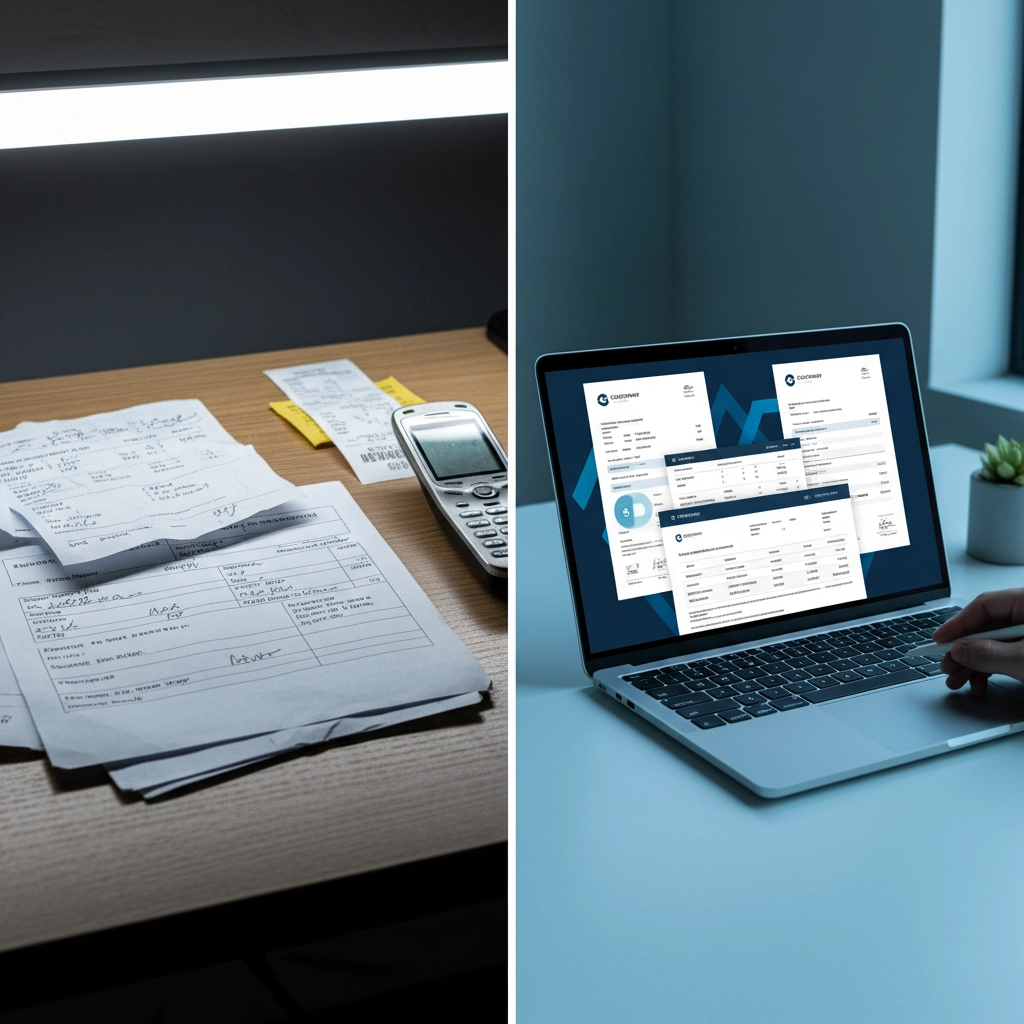
Greystar, the country's largest apartment landlord, put it bluntly: "Fraud in rental applications has become increasingly sophisticated across the industry, with some of the most advanced cases involving AI-generated documents and fabricated payroll systems."
Here's what makes AI fraud so dangerous for landlords:
- Perfect formatting: AI can replicate any company's letterhead, fonts, and document style
- Realistic payroll data: Scammers create entire fake payroll systems with consistent payment histories
- Coordinated identities: They build complete fake personas with matching social media profiles, phone numbers, and references
- Real-time responses: AI chatbots can answer verification calls and emails in character
Why tenants should care:
- Cloned listings on marketplaces that link to fake application portals
- AI-chat and deepfake "agents" who push quick deposits before a real tour
- Spoofed phone numbers and lookalike domains pretending to be property managers
- ID and application harvesting to resell your personal data
The technology barrier that once protected landlords and renters has essentially disappeared. Anyone with basic computer skills can now create professional-looking fake documents, websites, and personas in minutes.
The Numbers Don't Lie: Fraud Is Everywhere
The rental fraud crisis isn't limited to certain markets or property types: it's nationwide and growing fast. Recent surveys reveal some eye-opening statistics:
- 93.3% of housing providers experienced fraud within the past year
- 70% of apartment operators saw increased fraudulent applications over 12 months
- In upscale markets like Atlanta's Midtown and Buckhead, nearly half of all applications were flagged as fraudulent
- About 24% of evictions over a three-year period tied back to fraudulent applications
What's driving this explosion? The perfect storm of factors that make fraud easier and more profitable:
- Digital-first leasing: The pandemic pushed most rental processes online, eliminating face-to-face verification
- AI accessibility: Document creation tools are now cheap and user-friendly
- Market incentives: Free rent offers and move-in specials give fraudsters months to operate before detection
- Remote verification: Phone and email screening is easier to fake than in-person meetings
Real-World Examples: How Owners and Renters Get Hit
- Landlord example: An AI-built persona passes screening with fabricated payroll and a spoofed HR line. After move-in, rent never arrives; the unit is sublet at a markup on short-term sites. Eviction plus repairs wipe out a year of cash flow.
- Tenant example: A cloned listing on Marketplace asks for a "refundable" application fee and deposit via Zelle before a tour. The URL is a fake portal; the scammer disappears after payment. The real property manager never posted that ad.
Quick takeaways:
- Verify listing ownership from the property manager's website or a known brokerage page.
- Never send deposits or application fees via cash apps or crypto.
- If pricing is 15–30% below comps, assume it's bait until proven otherwise.
Understanding the Two Types of Rental Fraud
Not all rental fraud works the same way. Understanding these two main categories helps you spot red flags and protect your properties:
First-Party Fraud: When Real People Lie
This is the "everyday" fraud where actual applicants use their real identity but fabricate their financial situation. They might:
- Create fake pay stubs showing inflated income
- Forge bank statements to show larger balances
- Submit AI-generated employment verification letters
- Manipulate credit reports or use someone else's score
First-party fraudsters usually plan to live in your property: they just can't qualify honestly. While less sinister than identity theft, this still leaves you with tenants who can't pay rent.
Third-Party Fraud: The Dangerous Stuff
This involves stolen identities or completely fabricated personas. Third-party fraudsters might:
- Use stolen SSNs and personal information to create fake identities
- Apply for multiple properties simultaneously under different names
- Plan to sublet illegally for profit
- Use properties for criminal activities like drug operations
Once these scammers get keys, you're dealing with more than unpaid rent: you're facing potential criminal activity on your property.
For Tenants: Quick Checks to Spot and Avoid Rental Scams
- Confirm who manages the property: look up the address in county tax records and match it to the owner/management shown on the listing or the property management website.
- Use official channels only: apply and pay through a property manager's secure portal (e.g., ddpmsol.com) or a brokerage page that links back to the manager's site.
- See the property first: schedule an in-person or live-video tour where the agent unlocks the door in real time. No tours, no money.
- Verify contact info: company emails should match the domain on the website. Be wary of free email accounts and numbers that don't appear on the firm's site.
- Reverse image search photos: if the same photos appear at different prices or cities, it's likely a clone.
- Watch the urgency: pressure for "today only" deposits or application fees is a red flag.
- Payment rules: never wire, use gift cards, or crypto. Pay to the company name via credit card or ACH in a secure portal.
- Paper trail: insist on a lease draft and required disclosures before any deposit. No blurred documents or missing pages.
- Validate the person: ask to see the agent's business card, license number, or broker affiliation and confirm it online.
- Trust your gut: if info doesn't line up, walk away and report the listing to the platform and local authorities.
5 Essential Ways to Protect Your Properties
The good news? You're not helpless against AI fraud. These five strategies will significantly reduce your risk:
1. Level Up Your Tenant Screening Process
Your screening process needs an upgrade to handle modern fraud techniques. Here's what works:
Require live ID verification: Don't accept photo uploads of IDs. Use video calls to verify documents in real-time or require in-person meetings.
Call employers directly: Never trust contact information provided by applicants. Look up company phone numbers independently and call during business hours. Ask specific questions about job duties, start dates, and salary that only real HR departments would know.
Cross-reference everything: Use LinkedIn, company websites, and Google to verify employment claims. If someone claims to work for a company that has no online presence or their LinkedIn doesn't match their application, that's a red flag.
Request recent bank statements: Ask for statements covering the last 2-3 months, not just pay stubs. Look for consistent deposits that match claimed income.

2. Add Fraud-Specific Language to Your Lease
Protect yourself legally with explicit fraud provisions in your lease agreements. Include clauses that:
- Define document falsification as immediate grounds for termination
- Allow eviction without standard notice periods for fraud cases
- Make tenants liable for all costs related to fraudulent applications
- Require tenants to verify their identity and employment periodically
This legal framework lets you act quickly when you discover fraud, minimizing financial damage and getting problem tenants out faster.
3. Audit Existing Tenants When You Buy Properties
If you're acquiring properties with current tenants, don't assume previous landlords did proper screening. Conduct your own audit:
- Re-verify employment and income for all tenants
- Check current credit scores and payment histories
- Contact previous landlords independently
- Look for inconsistencies in tenant files and documentation
About 15% of tenant applications contain falsified documents, so inherited tenants might not be who they claim to be.
4. Monitor Your Listings for Theft and Cloning
Scammers love stealing legitimate listings to use in their own fraud schemes. They'll copy your photos, descriptions, and property details, then post fake listings to collect deposits from unsuspecting renters.
Set up Google Alerts for your property addresses to catch unauthorized listings quickly. Watermark your photos with your contact information so legitimate renters can identify real listings. Check Craigslist, Facebook Marketplace, and other platforms regularly for copies of your listings.
When you find stolen listings, report them immediately and document everything for potential legal action.
5. Invest in Modern Fraud Detection Tools
Technology can fight technology. Several platforms now offer AI-powered fraud detection specifically for rental applications:
TurboTenant and RealPage offer screening services that flag suspicious applications automatically. Liv.rent's Trust Score combines credit data from Equifax with employment verification and court records to create comprehensive risk profiles.
These tools use machine learning to spot patterns human reviewers might miss, like applications with similar formatting across different "applicants" or employment verification that comes from suspicious email domains.
Professional property management companies like D&D Property Management Solutions, LLC use these advanced screening tools as part of comprehensive tenant placement and property management services. For owners, that means stronger tenant screening, lease enforcement, and fewer fraud-driven evictions. For renters, it means verified listings, secure applications and payments, and a real person to meet on-site—reducing the risk of clone ads and fake landlords.
How D&D Property Management Solutions Reduces Risk for Owners and Renters
What landlords get:
- End-to-end tenant screening with live ID checks, employer verification, and income analysis
- Fraud-aware leases and fast lease enforcement
- Listing protection: watermarked photos, address monitoring, and takedown support
- Secure rent collection and audit-ready records
What tenants get:
- Verified listings and in-person or live-video showings
- Secure online applications and payments through our portal
- Clear communication, real contact info, and a local team that meets you at the property
- Fair, transparent leasing with documents you can review before paying a deposit
We take the hassle out of renting and managing rental properties. Schedule a Free Consultation at https://ddpmsol.com/ to talk through a fraud-resistant leasing plan.
The Bottom Line on Rental Fraud Protection
AI-powered rental fraud is getting smarter. Owners and renters who use layered protection—real-world verification plus modern tools—stay ahead.
For landlords, strong tenant screening and professional property management cost less than one bad tenancy. For tenants, only apply and pay through verified property managers or owners you can meet and confirm.
If you want backup, D&D Property Management Solutions, LLC is here to help. Grow your knowledge and make better decisions—reach out for a quick, no-pressure consult.

For a long time, Florida landlords have dealt with a frustrating loophole: tenants who lie their...

If you're a landlord or renter, you've probably noticed something unsettling: listings, applications, and "verifications" that look perfect but feel... off. Clean pay stubs, robotic HR emails, cloned listings with too-good-to-be-true pricing—the works. You're not imagining it. AI-powered rental scams now hit both sides of the lease, tricking owners out of rent and tenants out of deposits.
The numbers tell the story. Nearly 75% of apartment owners reported a sharp rise in falsified applications last year. And renters are getting stung by listing-clone scams, fake landlords, and AI-chat "agents" pushing instant deposits via Zelle or crypto. Small landlords and DIY owners are especially exposed, and tenants without a trusted property management company behind the listing are prime targets. Traditional screening and casual listing checks aren't enough anymore.
How AI Is Changing the Fraud Game
Remember when spotting fake documents meant looking for obvious typos or blurry photocopies? Those days are over. Today's scammers use artificial intelligence to create perfect-looking pay stubs, employment letters, and even credit reports that pass most basic screenings.
Greystar, the country's largest apartment landlord, put it bluntly: "Fraud in rental applications has become increasingly sophisticated across the industry, with some of the most advanced cases involving AI-generated documents and fabricated payroll systems."
Here's what makes AI fraud so dangerous for landlords:
- Perfect formatting: AI can replicate any company's letterhead, fonts, and document style
- Realistic payroll data: Scammers create entire fake payroll systems with consistent payment histories
- Coordinated identities: They build complete fake personas with matching social media profiles, phone numbers, and references
- Real-time responses: AI chatbots can answer verification calls and emails in character
Why tenants should care:
- Cloned listings on marketplaces that link to fake application portals
- AI-chat and deepfake "agents" who push quick deposits before a real tour
- Spoofed phone numbers and lookalike domains pretending to be property managers
- ID and application harvesting to resell your personal data
The technology barrier that once protected landlords and renters has essentially disappeared. Anyone with basic computer skills can now create professional-looking fake documents, websites, and personas in minutes.
The Numbers Don't Lie: Fraud Is Everywhere
The rental fraud crisis isn't limited to certain markets or property types: it's nationwide and growing fast. Recent surveys reveal some eye-opening statistics:
- 93.3% of housing providers experienced fraud within the past year
- 70% of apartment operators saw increased fraudulent applications over 12 months
- In upscale markets like Atlanta's Midtown and Buckhead, nearly half of all applications were flagged as fraudulent
- About 24% of evictions over a three-year period tied back to fraudulent applications
What's driving this explosion? The perfect storm of factors that make fraud easier and more profitable:
- Digital-first leasing: The pandemic pushed most rental processes online, eliminating face-to-face verification
- AI accessibility: Document creation tools are now cheap and user-friendly
- Market incentives: Free rent offers and move-in specials give fraudsters months to operate before detection
- Remote verification: Phone and email screening is easier to fake than in-person meetings
Real-World Examples: How Owners and Renters Get Hit
- Landlord example: An AI-built persona passes screening with fabricated payroll and a spoofed HR line. After move-in, rent never arrives; the unit is sublet at a markup on short-term sites. Eviction plus repairs wipe out a year of cash flow.
- Tenant example: A cloned listing on Marketplace asks for a "refundable" application fee and deposit via Zelle before a tour. The URL is a fake portal; the scammer disappears after payment. The real property manager never posted that ad.
Quick takeaways:
- Verify listing ownership from the property manager's website or a known brokerage page.
- Never send deposits or application fees via cash apps or crypto.
- If pricing is 15–30% below comps, assume it's bait until proven otherwise.
Understanding the Two Types of Rental Fraud
Not all rental fraud works the same way. Understanding these two main categories helps you spot red flags and protect your properties:
First-Party Fraud: When Real People Lie
This is the "everyday" fraud where actual applicants use their real identity but fabricate their financial situation. They might:
- Create fake pay stubs showing inflated income
- Forge bank statements to show larger balances
- Submit AI-generated employment verification letters
- Manipulate credit reports or use someone else's score
First-party fraudsters usually plan to live in your property: they just can't qualify honestly. While less sinister than identity theft, this still leaves you with tenants who can't pay rent.
Third-Party Fraud: The Dangerous Stuff
This involves stolen identities or completely fabricated personas. Third-party fraudsters might:
- Use stolen SSNs and personal information to create fake identities
- Apply for multiple properties simultaneously under different names
- Plan to sublet illegally for profit
- Use properties for criminal activities like drug operations
Once these scammers get keys, you're dealing with more than unpaid rent: you're facing potential criminal activity on your property.
For Tenants: Quick Checks to Spot and Avoid Rental Scams
- Confirm who manages the property: look up the address in county tax records and match it to the owner/management shown on the listing or the property management website.
- Use official channels only: apply and pay through a property manager's secure portal (e.g., ddpmsol.com) or a brokerage page that links back to the manager's site.
- See the property first: schedule an in-person or live-video tour where the agent unlocks the door in real time. No tours, no money.
- Verify contact info: company emails should match the domain on the website. Be wary of free email accounts and numbers that don't appear on the firm's site.
- Reverse image search photos: if the same photos appear at different prices or cities, it's likely a clone.
- Watch the urgency: pressure for "today only" deposits or application fees is a red flag.
- Payment rules: never wire, use gift cards, or crypto. Pay to the company name via credit card or ACH in a secure portal.
- Paper trail: insist on a lease draft and required disclosures before any deposit. No blurred documents or missing pages.
- Validate the person: ask to see the agent's business card, license number, or broker affiliation and confirm it online.
- Trust your gut: if info doesn't line up, walk away and report the listing to the platform and local authorities.
5 Essential Ways to Protect Your Properties
The good news? You're not helpless against AI fraud. These five strategies will significantly reduce your risk:
1. Level Up Your Tenant Screening Process
Your screening process needs an upgrade to handle modern fraud techniques. Here's what works:
Require live ID verification: Don't accept photo uploads of IDs. Use video calls to verify documents in real-time or require in-person meetings.
Call employers directly: Never trust contact information provided by applicants. Look up company phone numbers independently and call during business hours. Ask specific questions about job duties, start dates, and salary that only real HR departments would know.
Cross-reference everything: Use LinkedIn, company websites, and Google to verify employment claims. If someone claims to work for a company that has no online presence or their LinkedIn doesn't match their application, that's a red flag.
Request recent bank statements: Ask for statements covering the last 2-3 months, not just pay stubs. Look for consistent deposits that match claimed income.
2. Add Fraud-Specific Language to Your Lease
Protect yourself legally with explicit fraud provisions in your lease agreements. Include clauses that:
- Define document falsification as immediate grounds for termination
- Allow eviction without standard notice periods for fraud cases
- Make tenants liable for all costs related to fraudulent applications
- Require tenants to verify their identity and employment periodically
This legal framework lets you act quickly when you discover fraud, minimizing financial damage and getting problem tenants out faster.
3. Audit Existing Tenants When You Buy Properties
If you're acquiring properties with current tenants, don't assume previous landlords did proper screening. Conduct your own audit:
- Re-verify employment and income for all tenants
- Check current credit scores and payment histories
- Contact previous landlords independently
- Look for inconsistencies in tenant files and documentation
About 15% of tenant applications contain falsified documents, so inherited tenants might not be who they claim to be.
4. Monitor Your Listings for Theft and Cloning
Scammers love stealing legitimate listings to use in their own fraud schemes. They'll copy your photos, descriptions, and property details, then post fake listings to collect deposits from unsuspecting renters.
Set up Google Alerts for your property addresses to catch unauthorized listings quickly. Watermark your photos with your contact information so legitimate renters can identify real listings. Check Craigslist, Facebook Marketplace, and other platforms regularly for copies of your listings.
When you find stolen listings, report them immediately and document everything for potential legal action.
5. Invest in Modern Fraud Detection Tools
Technology can fight technology. Several platforms now offer AI-powered fraud detection specifically for rental applications:
TurboTenant and RealPage offer screening services that flag suspicious applications automatically. Liv.rent's Trust Score combines credit data from Equifax with employment verification and court records to create comprehensive risk profiles.
These tools use machine learning to spot patterns human reviewers might miss, like applications with similar formatting across different "applicants" or employment verification that comes from suspicious email domains.
Professional property management companies like D&D Property Management Solutions, LLC use these advanced screening tools as part of comprehensive tenant placement and property management services. For owners, that means stronger tenant screening, lease enforcement, and fewer fraud-driven evictions. For renters, it means verified listings, secure applications and payments, and a real person to meet on-site—reducing the risk of clone ads and fake landlords.
How D&D Property Management Solutions Reduces Risk for Owners and Renters
What landlords get:
- End-to-end tenant screening with live ID checks, employer verification, and income analysis
- Fraud-aware leases and fast lease enforcement
- Listing protection: watermarked photos, address monitoring, and takedown support
- Secure rent collection and audit-ready records
What tenants get:
- Verified listings and in-person or live-video showings
- Secure online applications and payments through our portal
- Clear communication, real contact info, and a local team that meets you at the property
- Fair, transparent leasing with documents you can review before paying a deposit
We take the hassle out of renting and managing rental properties. Schedule a Free Consultation at https://ddpmsol.com/ to talk through a fraud-resistant leasing plan.
The Bottom Line on Rental Fraud Protection
AI-powered rental fraud is getting smarter. Owners and renters who use layered protection—real-world verification plus modern tools—stay ahead.
For landlords, strong tenant screening and professional property management cost less than one bad tenancy. For tenants, only apply and pay through verified property managers or owners you can meet and confirm.
If you want backup, D&D Property Management Solutions, LLC is here to help. Grow your knowledge and make better decisions—reach out for a quick, no-pressure consult.
If you have owned rental property in Florida over the last few years, you don’t need us to tell...
For a long time, Florida landlords have dealt with a frustrating loophole: tenants who lie their...