If you have owned rental property in Florida over the last few years, you don’t need us to tell...


Finding the right tenant can feel like searching for a needle in a haystack. But here's the thing, spotting a problem tenant before they become your problem? That's totally doable with the right approach. One bad tenant can cost you thousands in unpaid rent, property damage, and legal fees, not to mention months of stress and sleepless nights.
The good news is that problem tenants usually show their true colors early in the process. You just need to know what to look for. Let's walk through the red flags that should have you running in the other direction, plus some practical tips to protect yourself from day one.
The Application Tells a Story
Your rental application is like a first impression, and you know what they say about those. When an application comes back with missing information, crossed-out sections, or inconsistent dates, that's your first warning sign.
Pay special attention to employment history. If the dates don't add up or there are mysterious gaps, dig deeper. Same goes for landlord references, if they refuse to provide a current or previous landlord's contact information, they're probably hiding something. Maybe it's an eviction, chronic late payments, or property damage they don't want you to discover.
Here's a big one: applicants who rush you through the process and want to skip background checks. When someone's pushing you to "just trust them" and offers to pay several months upfront in cash, slow down. This urgency often means they're trying to move before their current situation catches up with them.

Money Talks (And Sometimes It Screams Red Flags)
Let's talk finances because this is where most landlord headaches begin. A credit report tells you everything you need to know about how someone handles money. One or two late payments? That's human. A pattern of collections, maxed-out credit cards, and past evictions? That's a problem waiting to happen.
Watch out for tenants who try to negotiate rent before they've even seen the property. This usually means they're already stretching their budget too thin. When rent becomes a struggle from day one, you can expect late payments, partial payments, or worse, no payments at all.
The general rule is that rent shouldn't exceed 30% of their monthly income. If they're pushing that limit, they're setting themselves up for failure, and you're setting yourself up for problems.
First Impressions During Property Showings
The way someone behaves during a showing is a preview of how they'll treat your property as tenants. Here are some immediate red flags to watch for:
Showing up late or not at all. If they can't respect your time for a simple showing, they won't respect lease terms or payment deadlines.
Volume control issues. If they're loud enough during the conversation that neighbors can hear them, expect noise complaints once they move in.
Disrespect for the property. Simple things matter, like not taking off muddy shoes when you do, or leaving trash behind. If they won't respect your property during a showing, they definitely won't respect it when they live there.
Asking odd questions. When prospective tenants ask if window screens are removable or get too personal about other residents, they might be planning activities that violate your lease terms.

Background Checks Aren't Optional
Anyone who strongly objects to criminal background checks is usually hiding something. Now, having a past doesn't automatically disqualify someone, people make mistakes and deserve second chances. But being dishonest about that past? That's a deal-breaker.
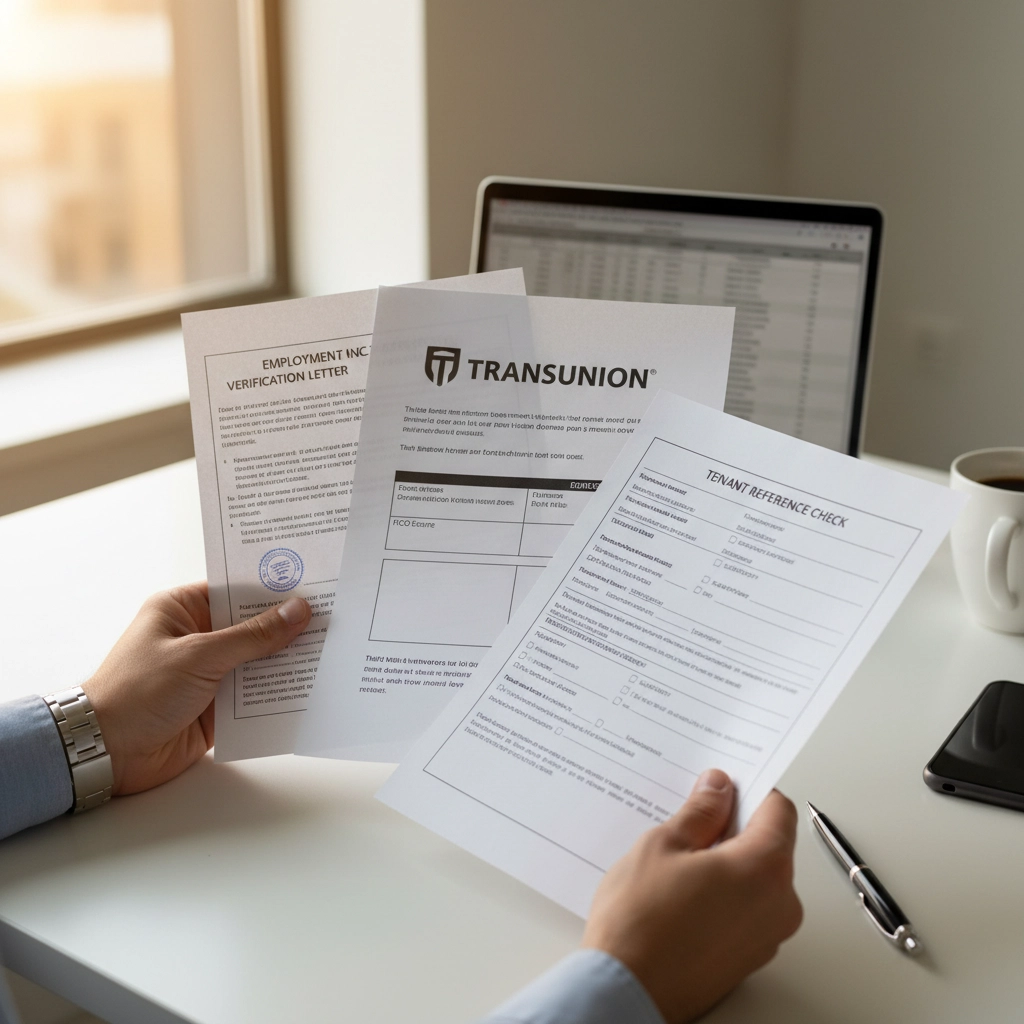
The same logic applies to employment verification and reference checks. If they're resistant to letting you verify their job or speak with previous landlords, ask yourself why. Usually, it's because they know what those references will say.
Personal Presentation Matters More Than You Think
This might sound harsh, but how someone presents themselves often reflects how they'll care for your property. We're not talking about designer clothes or expensive accessories, we're talking about basic personal care and hygiene.
Someone who clearly doesn't take care of themselves or their family probably won't prioritize maintaining your rental property either. It's not about judging anyone's circumstances, it's about recognizing patterns that predict future behavior.
When Demands Start Before the Lease is Signed
A few questions about planned maintenance or improvements? Totally normal. But when someone starts making demands for upgrades and repairs before they've even signed the lease, buckle up, you're in for a high-maintenance tenancy.
These demanding behaviors typically escalate after move-in. What starts as requests for new appliances becomes complaints about everything from water pressure to carpet color. Set clear boundaries from the beginning about what you will and won't provide.
Post-Move-In Warning Signs to Watch For
Even with perfect screening, some problems only show up after tenants settle in. Here's what to keep an eye on:
Radio silence on maintenance. Never hearing from tenants can be just as concerning as constant complaints. It might mean they're neglecting the property or making unauthorized repairs.
Neighbor complaints. Take these seriously, whether they're about noise, parking, or suspicious activity. Consistent complaints from multiple neighbors usually indicate real problems.
Unauthorized occupants. If someone else consistently answers the door during your visits, you likely have subletting or unauthorized occupants, which creates serious complications if you need to evict.
The classic nightmare scenario: Tenants who stop paying rent while flooding you with maintenance requests. They're trying to justify not paying by claiming everything is broken (despite never complaining before the rent stopped).
Building Your Defense Strategy
The best defense against problem tenants is a solid screening process. Here's your checklist:
- Run comprehensive background checks (credit, criminal, eviction history)
- Verify employment and income
- Contact at least two previous landlords
- Document everything from first contact through move-in
- Take detailed photos of property condition before they move in
Don't skip steps to fill a vacancy faster. A month of lost rent is nothing compared to the cost of a problem tenant who stays for six months without paying.

Trust Your Gut (It's Usually Right)
Sometimes you can't put your finger on exactly what's wrong, but something feels off. Maybe they're evasive when answering questions, or their story changes slightly between conversations. Trust that instinct.
Your intuition is processing dozens of small signals that your conscious mind might miss. If something doesn't feel right during the screening process, it's probably because it isn't right.
The Bottom Line
Spotting problem tenants isn't about being overly suspicious or judgmental, it's about protecting your investment and your peace of mind. Good tenants want thorough screening because it shows you're a responsible landlord who takes property management seriously.
Remember, you're not just renting a space; you're entering into a business relationship. Choose your business partners wisely, and don't be afraid to say no to applicants who raise red flags. The perfect tenant is out there, and they're worth waiting for.

The key is being consistent with your screening process and not making exceptions "just this once." Every landlord has a horror story about the time they ignored their better judgment, and you don't want to be the next one sharing that story.
Stay vigilant, trust your instincts, and remember: it's much easier to spot problems before you hand over the keys than it is to deal with them afterward. Your future self will thank you for taking the time to screen properly today.


For a long time, Florida landlords have dealt with a frustrating loophole: tenants who lie their...

Finding the right tenant can feel like searching for a needle in a haystack. But here's the thing, spotting a problem tenant before they become your problem? That's totally doable with the right approach. One bad tenant can cost you thousands in unpaid rent, property damage, and legal fees, not to mention months of stress and sleepless nights.
The good news is that problem tenants usually show their true colors early in the process. You just need to know what to look for. Let's walk through the red flags that should have you running in the other direction, plus some practical tips to protect yourself from day one.
The Application Tells a Story
Your rental application is like a first impression, and you know what they say about those. When an application comes back with missing information, crossed-out sections, or inconsistent dates, that's your first warning sign.
Pay special attention to employment history. If the dates don't add up or there are mysterious gaps, dig deeper. Same goes for landlord references, if they refuse to provide a current or previous landlord's contact information, they're probably hiding something. Maybe it's an eviction, chronic late payments, or property damage they don't want you to discover.
Here's a big one: applicants who rush you through the process and want to skip background checks. When someone's pushing you to "just trust them" and offers to pay several months upfront in cash, slow down. This urgency often means they're trying to move before their current situation catches up with them.
Money Talks (And Sometimes It Screams Red Flags)
Let's talk finances because this is where most landlord headaches begin. A credit report tells you everything you need to know about how someone handles money. One or two late payments? That's human. A pattern of collections, maxed-out credit cards, and past evictions? That's a problem waiting to happen.
Watch out for tenants who try to negotiate rent before they've even seen the property. This usually means they're already stretching their budget too thin. When rent becomes a struggle from day one, you can expect late payments, partial payments, or worse, no payments at all.
The general rule is that rent shouldn't exceed 30% of their monthly income. If they're pushing that limit, they're setting themselves up for failure, and you're setting yourself up for problems.
First Impressions During Property Showings
The way someone behaves during a showing is a preview of how they'll treat your property as tenants. Here are some immediate red flags to watch for:
Showing up late or not at all. If they can't respect your time for a simple showing, they won't respect lease terms or payment deadlines.
Volume control issues. If they're loud enough during the conversation that neighbors can hear them, expect noise complaints once they move in.
Disrespect for the property. Simple things matter, like not taking off muddy shoes when you do, or leaving trash behind. If they won't respect your property during a showing, they definitely won't respect it when they live there.
Asking odd questions. When prospective tenants ask if window screens are removable or get too personal about other residents, they might be planning activities that violate your lease terms.
Background Checks Aren't Optional
Anyone who strongly objects to criminal background checks is usually hiding something. Now, having a past doesn't automatically disqualify someone, people make mistakes and deserve second chances. But being dishonest about that past? That's a deal-breaker.
The same logic applies to employment verification and reference checks. If they're resistant to letting you verify their job or speak with previous landlords, ask yourself why. Usually, it's because they know what those references will say.
Personal Presentation Matters More Than You Think
This might sound harsh, but how someone presents themselves often reflects how they'll care for your property. We're not talking about designer clothes or expensive accessories, we're talking about basic personal care and hygiene.
Someone who clearly doesn't take care of themselves or their family probably won't prioritize maintaining your rental property either. It's not about judging anyone's circumstances, it's about recognizing patterns that predict future behavior.
When Demands Start Before the Lease is Signed
A few questions about planned maintenance or improvements? Totally normal. But when someone starts making demands for upgrades and repairs before they've even signed the lease, buckle up, you're in for a high-maintenance tenancy.
These demanding behaviors typically escalate after move-in. What starts as requests for new appliances becomes complaints about everything from water pressure to carpet color. Set clear boundaries from the beginning about what you will and won't provide.
Post-Move-In Warning Signs to Watch For
Even with perfect screening, some problems only show up after tenants settle in. Here's what to keep an eye on:
Radio silence on maintenance. Never hearing from tenants can be just as concerning as constant complaints. It might mean they're neglecting the property or making unauthorized repairs.
Neighbor complaints. Take these seriously, whether they're about noise, parking, or suspicious activity. Consistent complaints from multiple neighbors usually indicate real problems.
Unauthorized occupants. If someone else consistently answers the door during your visits, you likely have subletting or unauthorized occupants, which creates serious complications if you need to evict.
The classic nightmare scenario: Tenants who stop paying rent while flooding you with maintenance requests. They're trying to justify not paying by claiming everything is broken (despite never complaining before the rent stopped).
Building Your Defense Strategy
The best defense against problem tenants is a solid screening process. Here's your checklist:
- Run comprehensive background checks (credit, criminal, eviction history)
- Verify employment and income
- Contact at least two previous landlords
- Document everything from first contact through move-in
- Take detailed photos of property condition before they move in
Don't skip steps to fill a vacancy faster. A month of lost rent is nothing compared to the cost of a problem tenant who stays for six months without paying.
Trust Your Gut (It's Usually Right)
Sometimes you can't put your finger on exactly what's wrong, but something feels off. Maybe they're evasive when answering questions, or their story changes slightly between conversations. Trust that instinct.
Your intuition is processing dozens of small signals that your conscious mind might miss. If something doesn't feel right during the screening process, it's probably because it isn't right.
The Bottom Line
Spotting problem tenants isn't about being overly suspicious or judgmental, it's about protecting your investment and your peace of mind. Good tenants want thorough screening because it shows you're a responsible landlord who takes property management seriously.
Remember, you're not just renting a space; you're entering into a business relationship. Choose your business partners wisely, and don't be afraid to say no to applicants who raise red flags. The perfect tenant is out there, and they're worth waiting for.
The key is being consistent with your screening process and not making exceptions "just this once." Every landlord has a horror story about the time they ignored their better judgment, and you don't want to be the next one sharing that story.
Stay vigilant, trust your instincts, and remember: it's much easier to spot problems before you hand over the keys than it is to deal with them afterward. Your future self will thank you for taking the time to screen properly today.
If you have owned rental property in Florida over the last few years, you don’t need us to tell...
For a long time, Florida landlords have dealt with a frustrating loophole: tenants who lie their...