Growing up in Maine, I didn’t know what a Homeowners Association (HOA) was. To most folks...


Life has a way of throwing curveballs that can leave your rental property sitting empty for months, or even longer. Whether you're dealing with a job transfer across the country, military deployment, an inherited property you're not ready to rent, or simply waiting for the right market conditions to sell, preparing your property for a long-term vacancy requires careful planning and attention to detail.
Unlike a typical tenant turnover where you're quickly preparing for the next renter, a long-term vacancy presents unique challenges. Without regular occupancy, properties can deteriorate faster than you'd expect. Issues like mold, pest infestations, break-ins, and mechanical failures can turn a temporarily vacant property into a costly nightmare.
The good news? With the right preparation and ongoing oversight, you can protect your investment and maintain your property's value, even when it sits empty for extended periods. Here's your comprehensive checklist for navigating a long-term vacancy like a pro.
What to Consider When Your Property is Vacant
Keep the Utilities Running (Yes, Really)
One of the biggest mistakes property owners make is shutting off utilities to save money during a vacancy. While it might seem logical to cut costs, this decision often backfires in expensive ways.
Why utilities should stay on:
- Prevent mold and moisture damage: Without climate control, humidity can skyrocket, creating perfect conditions for mold growth that can cost thousands to remediate
- Insurance requirements: Many insurance policies require utilities to remain active during vacancies: turning them off could void your coverage
- Enable regular inspections: You'll need electricity for safety checks, security systems, and basic maintenance tasks
- Maintain HVAC systems: Running heating and cooling systems periodically prevents mechanical failures and keeps warranties valid
- Deter criminal activity: A dark, obviously vacant property is an invitation for break-ins and squatting
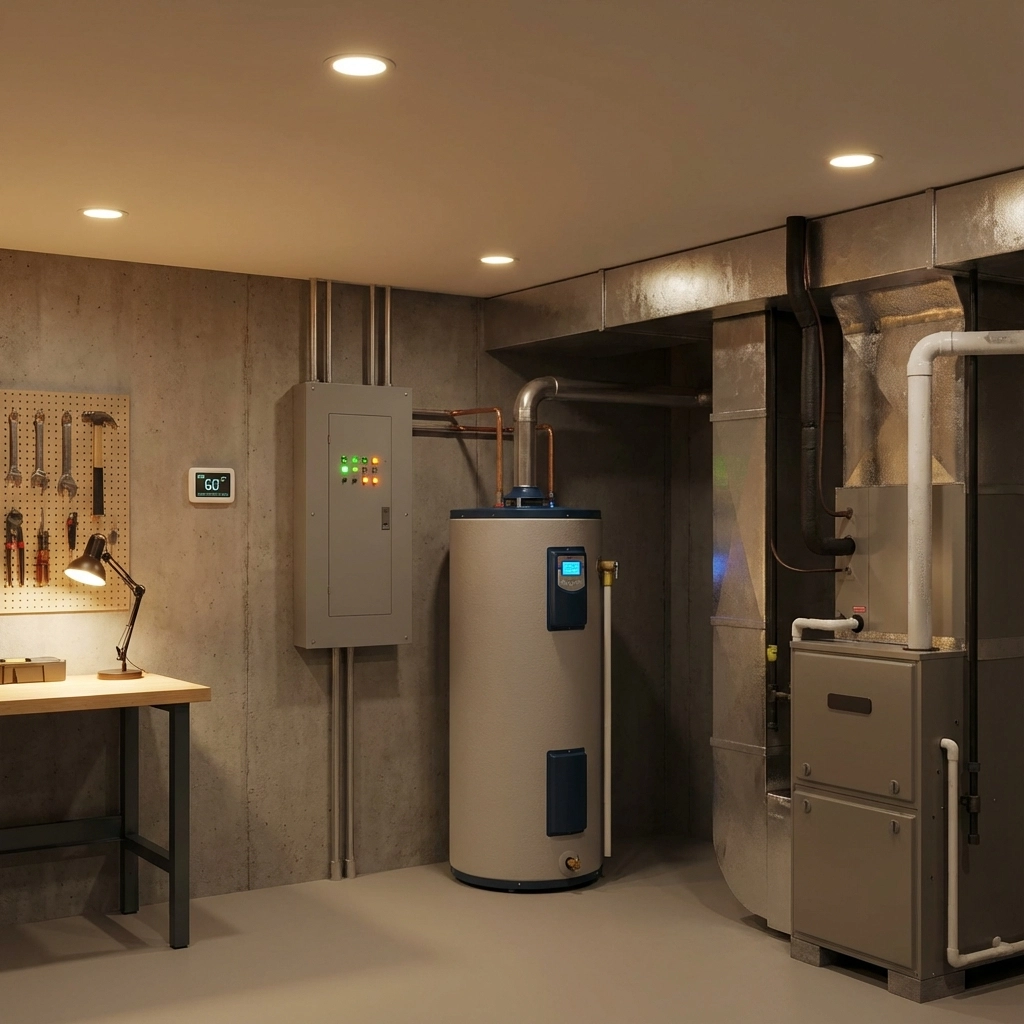
Keep the thermostat set to a reasonable temperature: around 55-60°F in winter and 80-85°F in summer. This maintains the property without excessive utility costs.
Secure Your Property from Top to Bottom
An empty property is vulnerable in ways an occupied one isn't. Squatters, vandals, and thieves specifically target vacant properties, making security your top priority.
Essential security measures:
- Change all locks: Ensure you control who has access: you never know who might have old keys
- Install or upgrade security systems: Motion sensors, door/window alarms, and security cameras provide 24/7 monitoring
- Maintain exterior lighting: Well-lit properties deter criminal activity: consider timer-controlled or motion-activated lights
- Secure all entry points: Check basement windows, sliding doors, and any other potential access points
- Install window coverings: Blinds or curtains prevent people from seeing inside and determining the property is vacant
- Post security signs: Even basic "No Trespassing" or security company signs can deter opportunistic criminals
Consider having a neighbor or property manager check on the property regularly. Visible activity around the property is one of the best deterrents to unwanted visitors.
Stay on Top of Routine Maintenance
Without daily occupancy, small problems can quickly become major issues. Regular maintenance becomes even more critical during a vacancy.
Key maintenance tasks:
- Lawn and landscaping care: Overgrown grass and dead plants scream "vacant property": maintain curb appeal with regular mowing and basic upkeep
- Pest control: Empty properties are magnets for rodents, insects, and other pests: schedule regular treatments to prevent infestations
- HVAC maintenance: Change filters regularly and run systems periodically to prevent mechanical issues
- Plumbing checks: Run water periodically to prevent pipe damage and check for leaks that could cause significant water damage
- Roof and gutter inspection: Without occupants to notice leaks early, roof problems can cause extensive damage
- Storm preparation: Secure outdoor furniture and trim trees that could cause damage during severe weather
Create a maintenance schedule and stick to it. What seems like unnecessary expense during vacancy often prevents much costlier repairs down the road.
Review Your Insurance Coverage
Standard rental property insurance often has specific requirements and limitations for vacant properties. Don't assume your current policy provides adequate coverage during extended vacancies.
Insurance considerations:
- Vacancy clauses: Many policies limit coverage after 30-60 days of vacancy: understand your specific terms
- Vandalism coverage: Ensure your policy covers damage from break-ins or vandalism
- Liability protection: You're still liable for injuries that occur on your property, even when vacant
- Natural disaster coverage: Vacant properties may have different coverage limits for weather-related damage
Contact your insurance agent before the vacancy begins. You may need to adjust your policy or purchase additional vacant property insurance to maintain full protection.
Maintain Curb Appeal and Occupancy Appearance
Nothing advertises a vacant property like obvious signs of abandonment. Maintaining the appearance of occupancy protects your investment and keeps the neighborhood looking good.
Curb appeal essentials:
- Regular lawn care: Keep grass mowed and landscaping trimmed
- Seasonal decorations: Simple seasonal touches suggest ongoing occupancy
- Vary lighting patterns: Use timers to create different lighting schedules that mimic normal living patterns
- Maintain the driveway: Keep it clear of debris and consider occasional parking of different vehicles
- Address minor repairs: Fix broken porch lights, peeling paint, or other visible maintenance issues promptly
Remember, your property's condition affects neighboring property values too. Maintaining curb appeal keeps you in good standing with neighbors who might otherwise report problems or complain to local authorities.
Handle Mail and Package Delivery
Piled-up mail and packages are dead giveaways that a property is vacant. Address this before problems arise.
Mail management options:
- Forward mail: Set up mail forwarding to your current address or a PO box
- Hold mail service: USPS can hold mail for extended periods
- Stop unnecessary deliveries: Cancel newspaper subscriptions and recurring deliveries
- Notify delivery companies: Let UPS, FedEx, and Amazon know the property is temporarily vacant
A stuffed mailbox not only signals vacancy but can also lead to identity theft if sensitive mail is stolen.
The Value of Professional Property Management
Managing a vacant property from a distance: or even locally: is more challenging than many property owners realize. This is where professional property management becomes invaluable.
What a property manager provides during vacancy:
Regular inspections: Professional managers conduct thorough inspections to catch problems early: from plumbing leaks to security breaches. What might go unnoticed for months by an absentee owner gets addressed immediately.
Local response capability: When issues arise, property managers can respond quickly with trusted local contractors and vendors. A burst pipe or broken window gets fixed in hours, not days or weeks.
Squatter prevention: Regular visits and obvious management activity deter squatters and vandals. Professional managers know how to secure properties and what to look for during inspections.
Maintenance coordination: From lawn care to HVAC service, property managers handle the scheduling and oversight of all maintenance tasks. They know local contractors and can ensure work gets done properly and cost-effectively.
Insurance and legal compliance: Experienced property managers understand insurance requirements and local regulations for vacant properties. They ensure you stay compliant and protected.
Peace of mind: Perhaps most importantly, professional management lets you focus on your life and career while knowing your property investment is in capable hands.
Whether you're deployed overseas, relocated for work, or dealing with family obligations, having professional eyes on your property provides security that DIY management simply can't match.
Get Professional Support for Your Vacant Property
A long-term vacancy doesn't have to become a financial drain or constant source of stress. With proper preparation and professional oversight, your property can weather any extended vacancy while maintaining its value and condition.
At D&D Property Management Solutions, we understand the unique challenges of vacant property management. Our comprehensive approach includes regular inspections, maintenance coordination, security monitoring, and local response capabilities that keep your investment protected no matter how long you're away.
Don't let a vacant property become a liability. Contact us today to discuss how our property management services can give you peace of mind and protect your investment during any vacancy period. Your property: and your stress level( will thank you.)


If you’ve been keeping an eye on the real estate headlines lately, you might have noticed a bit...

Life has a way of throwing curveballs that can leave your rental property sitting empty for months, or even longer. Whether you're dealing with a job transfer across the country, military deployment, an inherited property you're not ready to rent, or simply waiting for the right market conditions to sell, preparing your property for a long-term vacancy requires careful planning and attention to detail.
Unlike a typical tenant turnover where you're quickly preparing for the next renter, a long-term vacancy presents unique challenges. Without regular occupancy, properties can deteriorate faster than you'd expect. Issues like mold, pest infestations, break-ins, and mechanical failures can turn a temporarily vacant property into a costly nightmare.
The good news? With the right preparation and ongoing oversight, you can protect your investment and maintain your property's value, even when it sits empty for extended periods. Here's your comprehensive checklist for navigating a long-term vacancy like a pro.
What to Consider When Your Property is Vacant
Keep the Utilities Running (Yes, Really)
One of the biggest mistakes property owners make is shutting off utilities to save money during a vacancy. While it might seem logical to cut costs, this decision often backfires in expensive ways.
Why utilities should stay on:
- Prevent mold and moisture damage: Without climate control, humidity can skyrocket, creating perfect conditions for mold growth that can cost thousands to remediate
- Insurance requirements: Many insurance policies require utilities to remain active during vacancies: turning them off could void your coverage
- Enable regular inspections: You'll need electricity for safety checks, security systems, and basic maintenance tasks
- Maintain HVAC systems: Running heating and cooling systems periodically prevents mechanical failures and keeps warranties valid
- Deter criminal activity: A dark, obviously vacant property is an invitation for break-ins and squatting
Keep the thermostat set to a reasonable temperature: around 55-60°F in winter and 80-85°F in summer. This maintains the property without excessive utility costs.
Secure Your Property from Top to Bottom
An empty property is vulnerable in ways an occupied one isn't. Squatters, vandals, and thieves specifically target vacant properties, making security your top priority.
Essential security measures:
- Change all locks: Ensure you control who has access: you never know who might have old keys
- Install or upgrade security systems: Motion sensors, door/window alarms, and security cameras provide 24/7 monitoring
- Maintain exterior lighting: Well-lit properties deter criminal activity: consider timer-controlled or motion-activated lights
- Secure all entry points: Check basement windows, sliding doors, and any other potential access points
- Install window coverings: Blinds or curtains prevent people from seeing inside and determining the property is vacant
- Post security signs: Even basic "No Trespassing" or security company signs can deter opportunistic criminals
Consider having a neighbor or property manager check on the property regularly. Visible activity around the property is one of the best deterrents to unwanted visitors.
Stay on Top of Routine Maintenance
Without daily occupancy, small problems can quickly become major issues. Regular maintenance becomes even more critical during a vacancy.
Key maintenance tasks:
- Lawn and landscaping care: Overgrown grass and dead plants scream "vacant property": maintain curb appeal with regular mowing and basic upkeep
- Pest control: Empty properties are magnets for rodents, insects, and other pests: schedule regular treatments to prevent infestations
- HVAC maintenance: Change filters regularly and run systems periodically to prevent mechanical issues
- Plumbing checks: Run water periodically to prevent pipe damage and check for leaks that could cause significant water damage
- Roof and gutter inspection: Without occupants to notice leaks early, roof problems can cause extensive damage
- Storm preparation: Secure outdoor furniture and trim trees that could cause damage during severe weather
Create a maintenance schedule and stick to it. What seems like unnecessary expense during vacancy often prevents much costlier repairs down the road.
Review Your Insurance Coverage
Standard rental property insurance often has specific requirements and limitations for vacant properties. Don't assume your current policy provides adequate coverage during extended vacancies.
Insurance considerations:
- Vacancy clauses: Many policies limit coverage after 30-60 days of vacancy: understand your specific terms
- Vandalism coverage: Ensure your policy covers damage from break-ins or vandalism
- Liability protection: You're still liable for injuries that occur on your property, even when vacant
- Natural disaster coverage: Vacant properties may have different coverage limits for weather-related damage
Contact your insurance agent before the vacancy begins. You may need to adjust your policy or purchase additional vacant property insurance to maintain full protection.
Maintain Curb Appeal and Occupancy Appearance
Nothing advertises a vacant property like obvious signs of abandonment. Maintaining the appearance of occupancy protects your investment and keeps the neighborhood looking good.
Curb appeal essentials:
- Regular lawn care: Keep grass mowed and landscaping trimmed
- Seasonal decorations: Simple seasonal touches suggest ongoing occupancy
- Vary lighting patterns: Use timers to create different lighting schedules that mimic normal living patterns
- Maintain the driveway: Keep it clear of debris and consider occasional parking of different vehicles
- Address minor repairs: Fix broken porch lights, peeling paint, or other visible maintenance issues promptly
Remember, your property's condition affects neighboring property values too. Maintaining curb appeal keeps you in good standing with neighbors who might otherwise report problems or complain to local authorities.
Handle Mail and Package Delivery
Piled-up mail and packages are dead giveaways that a property is vacant. Address this before problems arise.
Mail management options:
- Forward mail: Set up mail forwarding to your current address or a PO box
- Hold mail service: USPS can hold mail for extended periods
- Stop unnecessary deliveries: Cancel newspaper subscriptions and recurring deliveries
- Notify delivery companies: Let UPS, FedEx, and Amazon know the property is temporarily vacant
A stuffed mailbox not only signals vacancy but can also lead to identity theft if sensitive mail is stolen.
The Value of Professional Property Management
Managing a vacant property from a distance: or even locally: is more challenging than many property owners realize. This is where professional property management becomes invaluable.
What a property manager provides during vacancy:
Regular inspections: Professional managers conduct thorough inspections to catch problems early: from plumbing leaks to security breaches. What might go unnoticed for months by an absentee owner gets addressed immediately.
Local response capability: When issues arise, property managers can respond quickly with trusted local contractors and vendors. A burst pipe or broken window gets fixed in hours, not days or weeks.
Squatter prevention: Regular visits and obvious management activity deter squatters and vandals. Professional managers know how to secure properties and what to look for during inspections.
Maintenance coordination: From lawn care to HVAC service, property managers handle the scheduling and oversight of all maintenance tasks. They know local contractors and can ensure work gets done properly and cost-effectively.
Insurance and legal compliance: Experienced property managers understand insurance requirements and local regulations for vacant properties. They ensure you stay compliant and protected.
Peace of mind: Perhaps most importantly, professional management lets you focus on your life and career while knowing your property investment is in capable hands.
Whether you're deployed overseas, relocated for work, or dealing with family obligations, having professional eyes on your property provides security that DIY management simply can't match.
Get Professional Support for Your Vacant Property
A long-term vacancy doesn't have to become a financial drain or constant source of stress. With proper preparation and professional oversight, your property can weather any extended vacancy while maintaining its value and condition.
At D&D Property Management Solutions, we understand the unique challenges of vacant property management. Our comprehensive approach includes regular inspections, maintenance coordination, security monitoring, and local response capabilities that keep your investment protected no matter how long you're away.
Don't let a vacant property become a liability. Contact us today to discuss how our property management services can give you peace of mind and protect your investment during any vacancy period. Your property: and your stress level( will thank you.)
Growing up in Maine, I didn’t know what a Homeowners Association (HOA) was. To most folks...
If you’ve been keeping an eye on the real estate headlines lately, you might have noticed a bit...